UNGA 2026 puts the next phase of the energy transition on the agenda
This week in New York, world leaders are discussing a question that is becoming increasingly important as the energy transition matures: what comes after the rapid expansion of wind, solar and electrification?
At the United Nations General Assembly High-Level Week 2026, climate and energy have again moved to the centre of international diplomacy. The UN Secretary-General’s Climate Summit includes a dedicated Energy Transition Solutions Dialogue, convened by the COP31 Presidency, the International Energy Agency (IEA) and the UN Secretary-General’s Climate Action Team. The wider High-Level Event on Climate Action and the Just Transition on 23 September is focused on accelerating the transition, strengthening energy security and mobilising investment, while a further Solutions Dialogue on 24 September addresses Accelerating Green Industrialization.
This matters for biomass.
For much of the past decade, the political narrative surrounding the energy transition has concentrated overwhelmingly on electricity: build more wind and solar, expand grids, deploy batteries and electrify transport, heating and industry.
All of that remains essential.
But the global transition is increasingly confronting the limits of an electricity-only strategy. Aircraft need energy-dense fuels. Ships must travel thousands of kilometres. High-temperature industrial processes cannot always be electrified economically. Existing vehicle fleets and industrial infrastructure will remain in operation for decades. And many developing economies need renewable solutions that can work with infrastructure they already have.
This is where sustainable fuels, and particularly biofuels, biomethane and other forms of modern bioenergy, are gaining renewed strategic relevance.
The debate taking place around UNGA81 therefore points towards an important evolution in climate policy:
The next stage of the energy transition will not only be about producing renewable electrons. It will also be about producing sustainable molecules.
From COP30 to New York: the emergence of a sustainable-fuels agenda
The political groundwork was laid during COP30 in Belém.
One significant outcome of the COP30 Action Agenda was the Belém 4x Pledge on Sustainable Fuels. The initiative aims to provide political support and international cooperation for increasing the use of sustainable fuels at least fourfold by 2035 compared with 2024 levels, taking account of different national circumstances.
Importantly for the biomass sector, the definition is technologically broad.
It includes:
- • liquid biofuels;
- • biogases, including biomethane;
- • low-emissions hydrogen and its derivatives; and
- • e-fuels.
The initiative was endorsed by 23 countries, according to the COP30 Action Agenda report, while a broader group of companies and international organisations expressed support.
The significance is easy to underestimate. Rather than treating biofuels as a legacy technology that will gradually disappear as electrification advances, the emerging framework treats sustainable fuels as a complement to electrification.
That distinction could have major consequences for future biomass policy.
The numbers point to a potentially much larger market
The IEA’s Delivering Sustainable Fuels – Pathways to 2035 provides the analytical foundation for the fourfold ambition.
Its conclusion is striking. If fully legislated and implemented, existing and proposed national and international policies could put sustainable liquid and gaseous fuels on a pathway to nearly double their use between 2024 and 2030 and quadruple it by 2035.
That expansion would not be driven by one technology. Biofuels, biogases, hydrogen and hydrogen-derived fuels would all contribute. But biomass-derived fuels have an important advantage: several technologies and supply chains already operate commercially at significant scale.
The IEA’s 2026 Energy Technology Perspectives reinforces that point. It estimates that the global market for low-emissions fuels could grow from around USD 215 billion in 2025 to approximately USD 390 billion in 2035 under current-policy assumptions. Around 60% of that growth is expected to come from relatively mature biofuel technologies, including biomethane, bioethanol and biodiesel.
That changes the way biomass should be viewed. Biomass is not simply competing for a place in the future electricity mix. Its potentially larger strategic opportunity lies in sectors where electricity alone cannot easily replace fossil molecules.
Aviation may become one of biomass’s most important markets
Aviation illustrates the problem particularly well. A battery-electric passenger car can already replace a combustion-engine vehicle for many applications. A battery-electric long-haul aircraft is an entirely different proposition.
Aircraft require extremely high energy density. Consequently, aviation is likely to remain dependent on liquid fuels for a considerable period. Sustainable Aviation Fuel (SAF) therefore represents one of the clearest potential growth markets for sustainable biomass.
Advanced biofuels produced from wastes, residues, used oils, agricultural feedstocks and potentially lignocellulosic biomass can replace conventional jet fuel while using much of the existing aircraft and airport infrastructure.
The same principle applies, although with different technology options, to maritime transport. The result is a form of sectoral specialisation.
Renewable electricity can increasingly dominate applications where direct electrification is efficient.
Sustainable biomass can increasingly be directed towards applications where renewable carbon molecules have particularly high system value.
That is a much stronger long-term proposition for bioenergy than attempting to compete indiscriminately with increasingly inexpensive solar and wind electricity.
Biomethane: an underestimated part of the transition
Another important part of this story is biomethane. Biomethane can be produced from agricultural residues, manure, sewage sludge, food waste and other organic material. After upgrading, it can substitute for fossil natural gas and, depending on national infrastructure and regulation, be injected into existing gas grids.
This gives it several advantages: It can transform waste streams into energy, use existing gas infrastructure, provide storable renewable energy and reduce dependence on imported fossil gas.
The IEA has already identified growing policy support for biogas and biomethane. Its renewable-energy analysis projected biogas demand growth through 2030, with the United States and European Union among the important markets and China and India developing additional infrastructure and feedstock supply chains.
For agricultural economies, the implications extend beyond energy. Biomethane creates a potential revenue stream from materials that were previously wastes or low-value residues. Properly designed systems can also capture methane that would otherwise be released from manure or waste decomposition.
That makes bioenergy simultaneously an energy, waste-management, agricultural and climate policy instrument.
Green industrialisation gives biomass another opening
The UNGA discussions also connect energy transition with industrial policy. On 24 September, UNIDO and the UN Secretary-General’s Climate Action Team are convening a High-Level Solutions Dialogue on Accelerating Green Industrialization.
This is another area where biomass deserves more attention. Industrial decarbonisation is frequently discussed in terms of renewable electricity and green hydrogen. Both will be important. But industry also requires heat, carbon-containing feedstocks and fuels.
Sustainable biomass can provide all three. High-temperature process heat can be produced from solid biomass, biogas or biofuels. Biogenic carbon can replace fossil carbon in selected chemical and material applications. Biofuels can supply machinery and processes for which electrification is difficult. This is particularly relevant for emerging and developing economies with substantial agricultural and forestry sectors. Residues from forestry, agriculture and food processing can potentially become domestic energy resources rather than waste products.
The result is a different model of energy transition: one in which decarbonisation can support local value creation rather than simply replacing one imported energy technology with another.
Energy security strengthens the case
There is another reason sustainable fuels are returning to the policy agenda: energy security. The IEA explicitly identifies diversification of fuel supply and reduced dependence on fossil-fuel imports as potential benefits of sustainable fuels.
The geopolitical significance is substantial. Oil and gas resources are geographically concentrated. Biomass resources are distributed much more broadly. Agricultural residues exist wherever crops are produced. Forestry residues arise in countries with managed forests and forest industries. Organic waste is generated by virtually every economy.
Not every country can produce oil, but many countries can produce some form of bioenergy. This does not imply energy autarky, nor does it eliminate the value of international biomass trade. It does, however, create opportunities for countries to diversify their energy supply and convert domestic biological resources into useful energy.
For policymakers increasingly concerned simultaneously with decarbonisation, resilience and industrial competitiveness, that combination is attractive.
But four times more sustainable fuel means four times more attention to sustainability
There is an important qualification. Rapid expansion will only strengthen the political position of biomass if the additional feedstock is genuinely sustainable. A fourfold increase in sustainable-fuel consumption cannot simply mean a fourfold increase in pressure on forests, agricultural land or food systems. The IEA therefore stresses the importance of common sustainability criteria, credible carbon accounting and diversification of feedstocks.
This is where recent European biomass regulation may ultimately prove useful rather than restrictive. RED III has tightened sustainability criteria for forest biomass, strengthened greenhouse-gas requirements and introduced additional protections for biodiversity and sensitive ecosystems. These rules raise compliance costs. But they also create something the biomass industry urgently needs: a clearer distinction between sustainable bioenergy and unsustainable biomass extraction.
The future political argument should therefore not be “biomass versus no biomass.”
It should be:
Which biomass, from which feedstock, used for which application, with what lifecycle emissions?
That is a much more sophisticated question — and one that favours efficient, traceable biomass supply chains.
A hierarchy for biomass is beginning to emerge
This points towards what could become the defining principle of biomass policy in the 2030s: allocate limited sustainable biomass to the applications where it creates the greatest value.
Not every megawatt-hour of bioenergy has the same strategic importance. Where wind, solar or direct electrification provide a cheaper and more efficient solution, they will increasingly dominate. But where carbon-based fuels remain necessary, sustainable biomass becomes much more valuable.
That suggests a future hierarchy roughly centred on:
Aviation and shipping — where energy-dense sustainable fuels are difficult to replace.
Industrial heat and feedstocks — particularly where direct electrification is technically or economically challenging.
Biomethane and renewable gases — where existing gas infrastructure can be utilised and waste emissions avoided.
Flexible heat and power — where dispatchability provides system value alongside variable renewables.
BECCS — where sustainably sourced biomass can potentially combine energy production with durable carbon dioxide removal.
This is not the marginalisation of biomass. It is arguably the opposite: the transition from using biomass simply because it is renewable to using it strategically because of the specific functions it can perform.
BECCS could add an entirely new value proposition
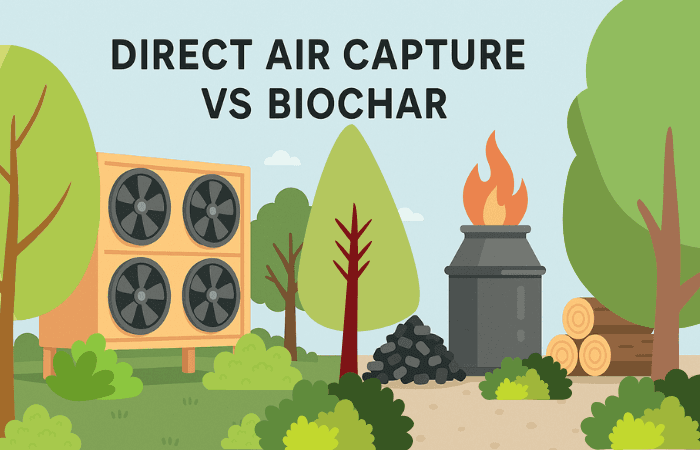
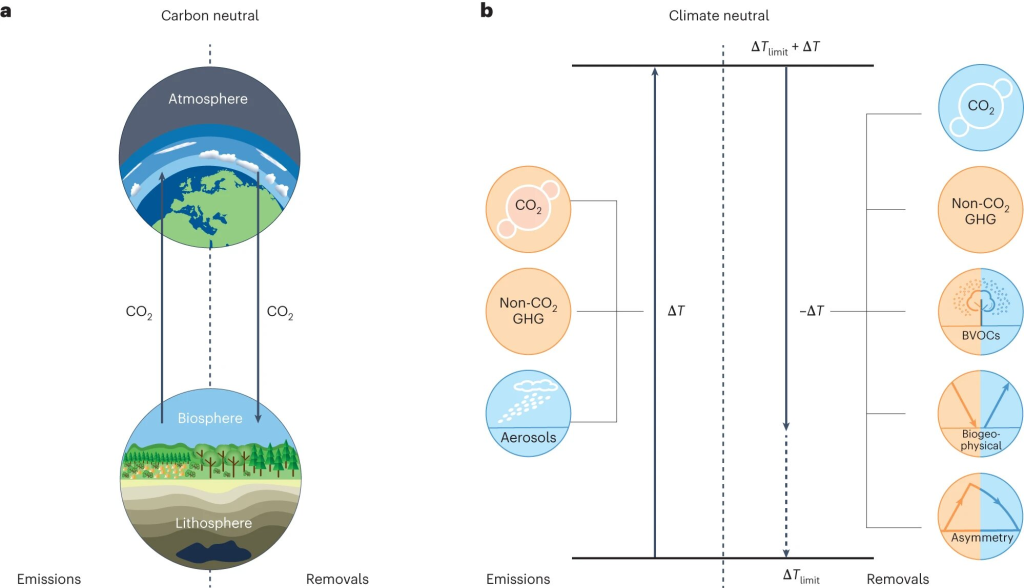
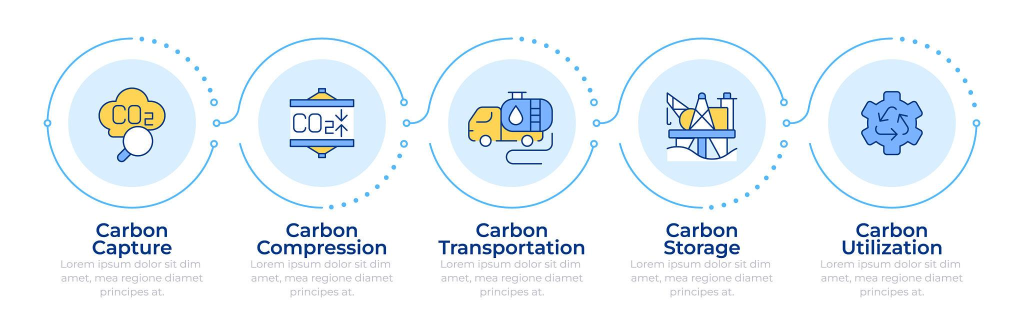
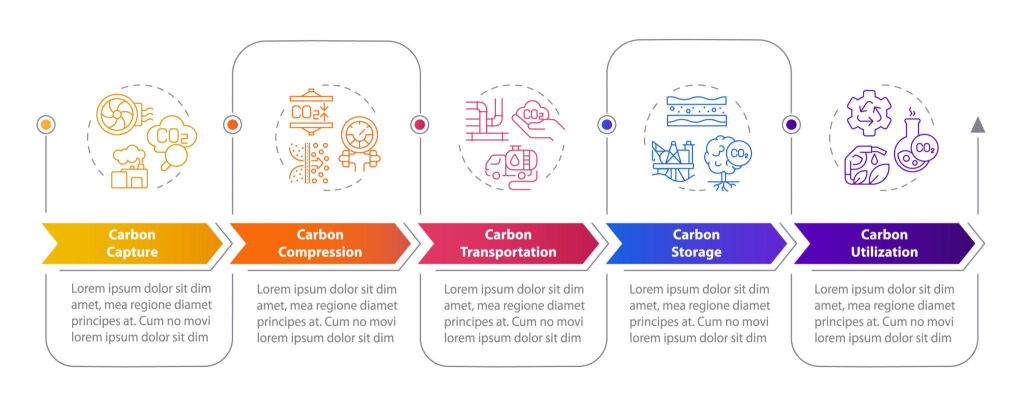
There is one further characteristic that distinguishes biomass from most renewable technologies. Combined with carbon capture and geological storage, sustainable biomass can potentially generate negative emissions. Plants absorb atmospheric CO₂ while growing. If biomass is produced sustainably and the resulting biogenic CO₂ is captured during conversion and permanently stored, the overall process can remove CO₂ from the atmosphere. The IEA’s Net Zero pathway has long included BECCS because some residual emissions are difficult to eliminate completely. That means the long-term value of biomass could consist of two products rather than one:
energy + carbon removal.
If credible carbon-removal markets develop, this could fundamentally change biomass economics.
A biomass facility would no longer necessarily derive its value primarily from electricity, heat or fuel. Carbon removal itself could become an increasingly valuable output.
The policy challenge: scale without losing credibility
The renewed interest in sustainable fuels therefore presents policymakers with a difficult but manageable task. Scale too slowly, and aviation, shipping and industry may remain dependent on fossil fuels for longer. Scale indiscriminately, and land-use, biodiversity or lifecycle-emissions concerns could undermine the environmental rationale for bioenergy.
The solution is not to abandon biomass – It is to improve it.
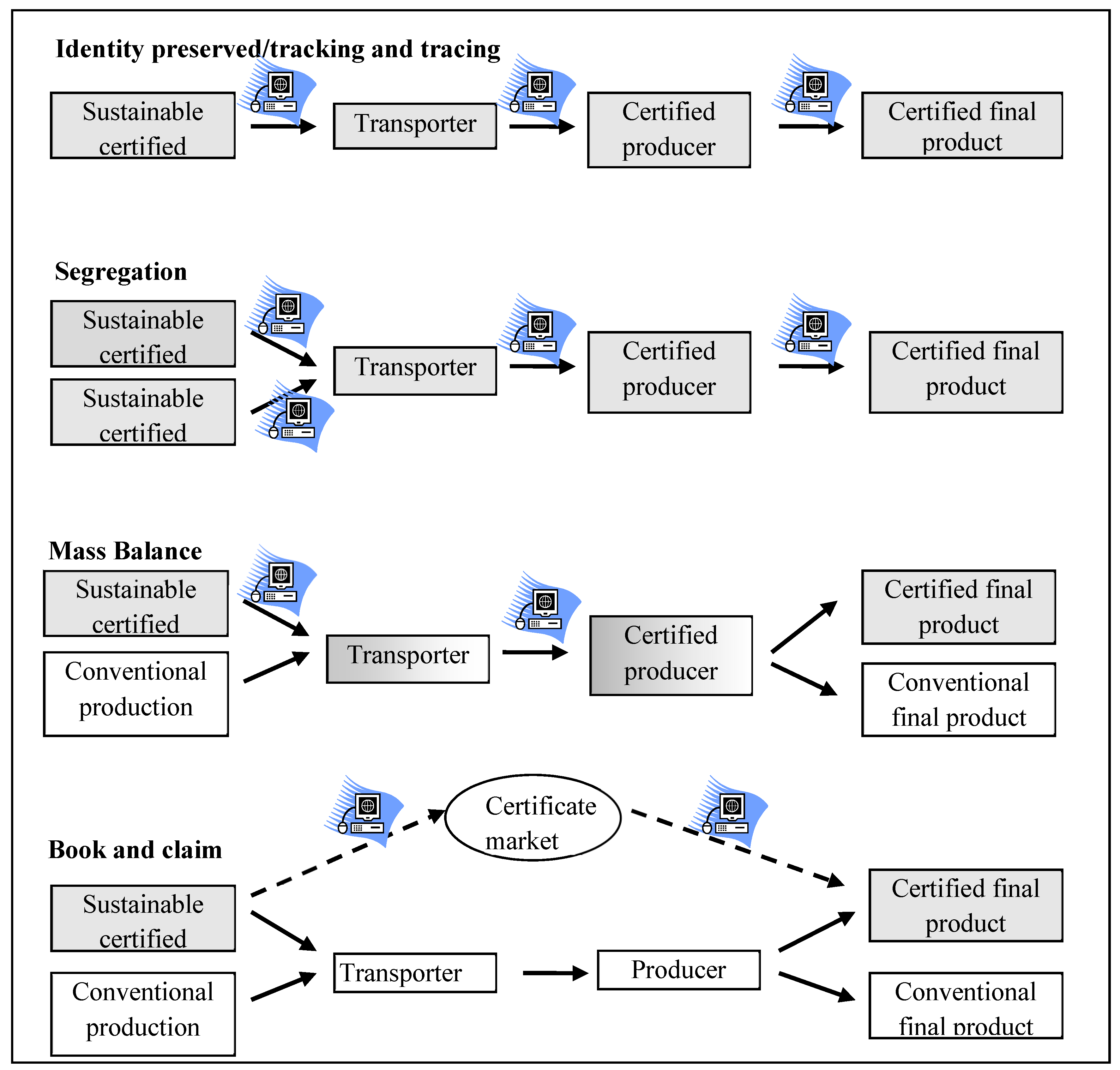
That means prioritising wastes and residues, developing advanced feedstocks, enforcing credible sustainability criteria, improving conversion efficiency, investing in certification and traceability, and directing sustainable biomass towards applications where alternatives are limited.
The IEA reaches a similar conclusion from a broader technology-neutral perspective: sustainable fuels will require stronger policies, investment, infrastructure, common carbon-accounting approaches and more accessible finance if they are to achieve their potential.
The bigger picture: the energy transition is becoming more diverse
The discussions taking place during UNGA81 illustrate a broader change in global energy policy.
The first phase of the modern energy transition demonstrated that wind and solar could become large-scale and increasingly cost-competitive energy sources.
The next phase is harder. It must decarbonise aviation, shipping, industrial heat, chemicals and other sectors in which replacing fossil fuels is considerably more complicated. That changes the role of biomass. Rather than being viewed primarily as another renewable electricity source, sustainable biomass can increasingly become a source of renewable molecules, industrial heat, dispatchable energy and potentially negative emissions. The transition does not have to be a contest between electrons and molecules.
It will need both.
And if the international ambition to dramatically expand sustainable fuels becomes concrete national policy, the coming decade could prove considerably more important for modern bioenergy than the last one.
Sources and Further Reading
United Nations — Climate Summit 2026 and the UNGA81 Energy Transition Solutions Dialogue.
International Energy Agency — Delivering Sustainable Fuels: Pathways to 2035.
UNFCCC / COP30 Presidency — COP30 Action Agenda and the Belém 4x Pledge on Sustainable Fuels.
International Energy Agency — Energy Technology Perspectives 2026.
International Energy Agency — Towards Common Criteria for Sustainable Fuels.
International Energy Agency — Renewables 2024.
UNIDO — High-Level Solutions Dialogue on Accelerating Green Industrialization, UNGA81.
IRENA — Bioenergy for the Energy Transition: Ensuring Sustainability and Overcoming Barriers.